
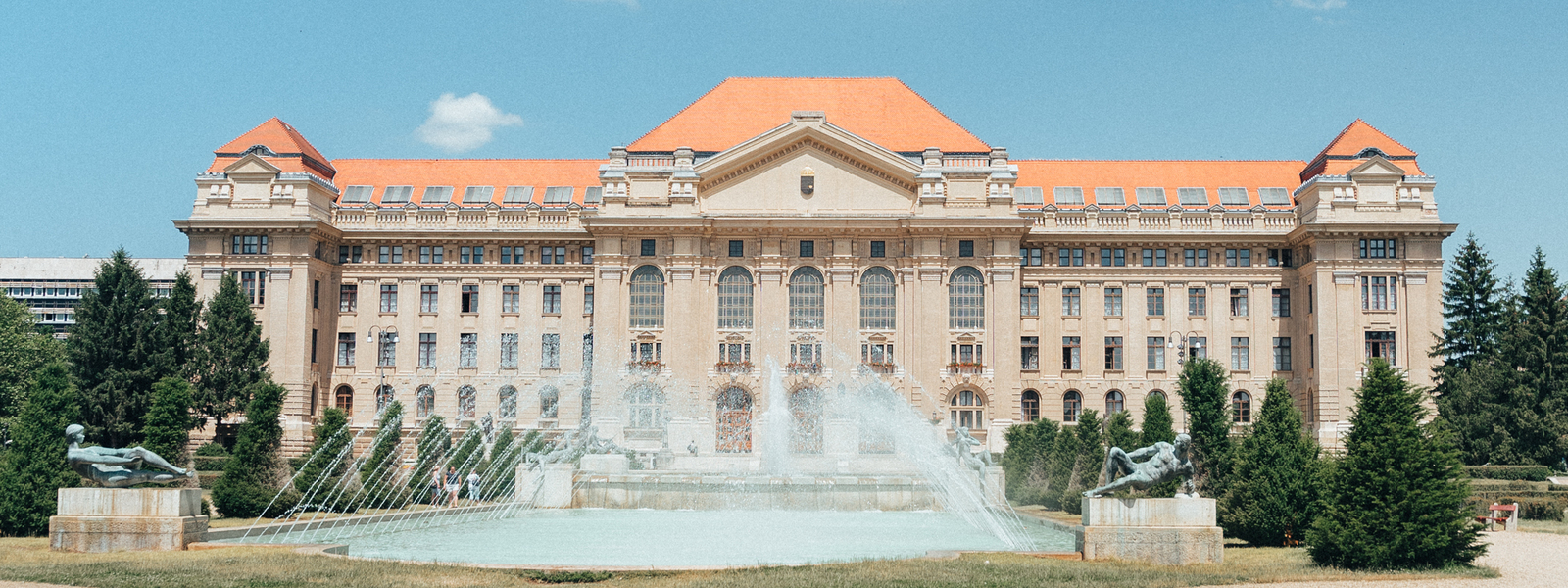
American Guests at the Debrecen Summer University
Since 2009, Elizabeth Szabó Vos has been organizing programs that allow Americans of Hungarian descent to get to know Hungary, Hungarian culture, and Hungarian cuisine.
- My grandparents are from Tiszakeszi; my parents were born in America, but they always considered it important to maintain a connection to their homeland and their roots. My mother’s lifelong dream was for us to introduce Hungary to those living abroad. After her death in 2009, I took on that role- Liz said.
Elizabeth organizes the Hungarian Expo once or twice a year. It is an online event attended by some two thousand people from all over the world, who can learn interesting facts in English on a wide variety of topics—whether it’s Hungarian folk music, the Mangalica pig, or the Hungarian language. In addition, every year she brings a group to Hungary to visit different regions. She has also studied at the Debrecen Summer University, and in fact, her children have even sat in the classroom to learn Hungarian.
- Such connections are extremely important to us, as people in the diaspora feel a very strong bond to their roots, to Hungary, and to Hungarian culture. Naturally, we are happy to teach them the Hungarian language, and we adapt flexibly to their needs, since we know that many of them are no longer beginners in language learning,” said Péter Szaffkó, director of the Summer University.
On Monday, the guests toured the University of Debrecen and then attended an interesting lecture by Eszter Szilassy on the Hungarian language, explaining why it seems difficult to learn at first glance, yet is actually easy once one grasps the language’s unique logic. In Debrecen, they visited the Reformed College and viewed the Munkácsy trilogy at the Déri Museum. They also visited Hortobágy and had dinner at the famous csárda. During the trip, they also took day trips to Eger and Tokaj to enjoy a delicious wine dinner. In Tarcal, they’ll visit the Statue of the Risen Christ; in Mád, they’ll see the synagogue; and then they’ll visit Boldogkőváralja and Hollókő.
On the Hungarian side, travel organizer Andrea Tordainé Takács assists with the work. She has been working with Liz for 15 years, and Andrea tries to come up with programs for the Americans that aren’t specifically focused on Budapest. In a sense, she organizes the programs in the spirit of “slow tourism”: for example, in Tard, travelers can learn Matyó embroidery, try their hand at silk painting, or make spiral-shaped (fussili-type) egg-based dried pasta (staple in classic Hungarian chicken and meat soups) themselves. Current plans also include a boat trip on the Bodrog River, an excursion to Szilvásvárad, a visit to the Lipizzaner stud farm, or attending the Tokaj Festival. They don’t just focus on summer when choosing dates, as an Advent market or the carnival season can also be interesting for learning about traditions (such as the Busó-walking, winter-ending festival).
PE